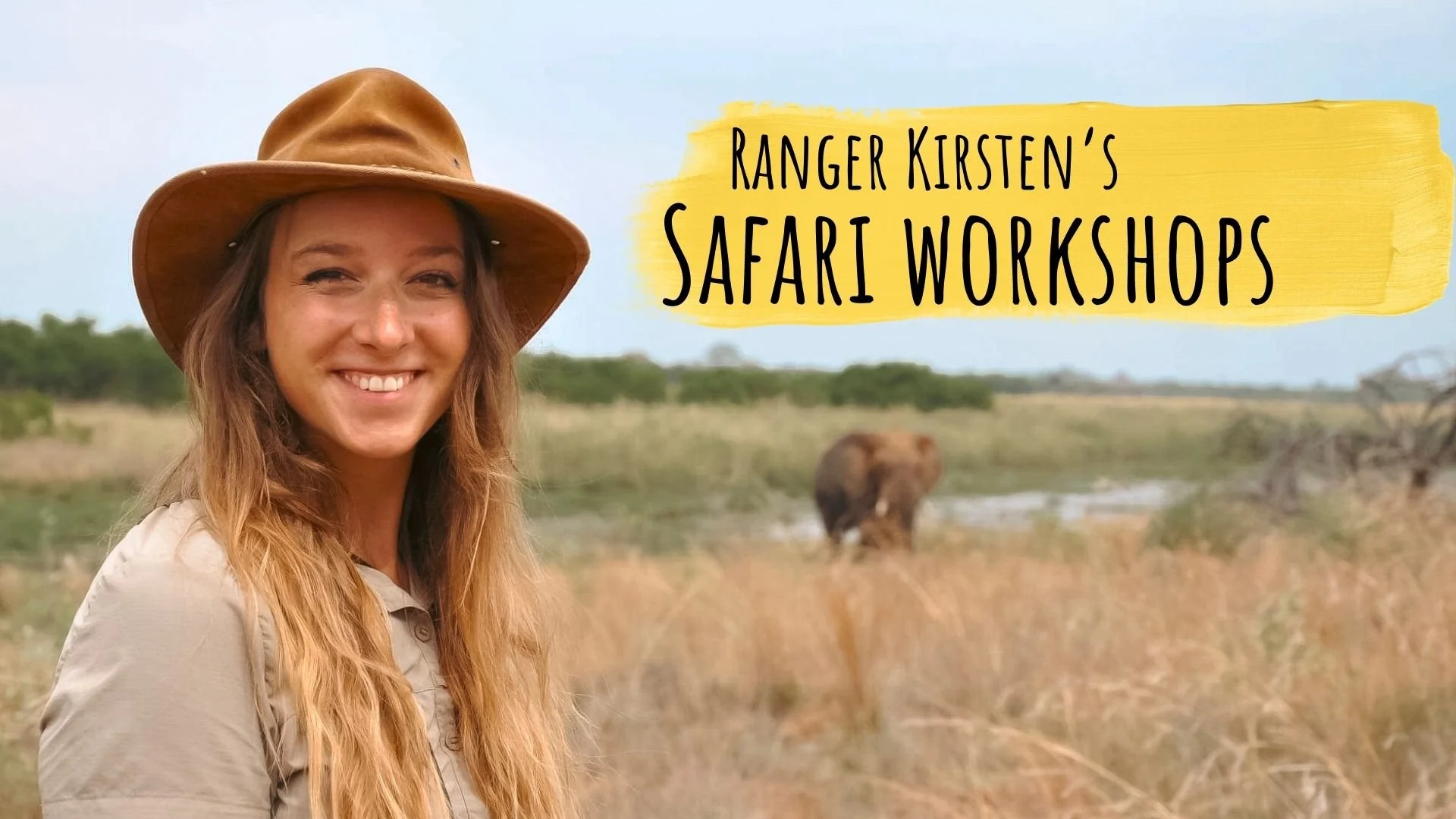
The & Super Powers of the African Elephant
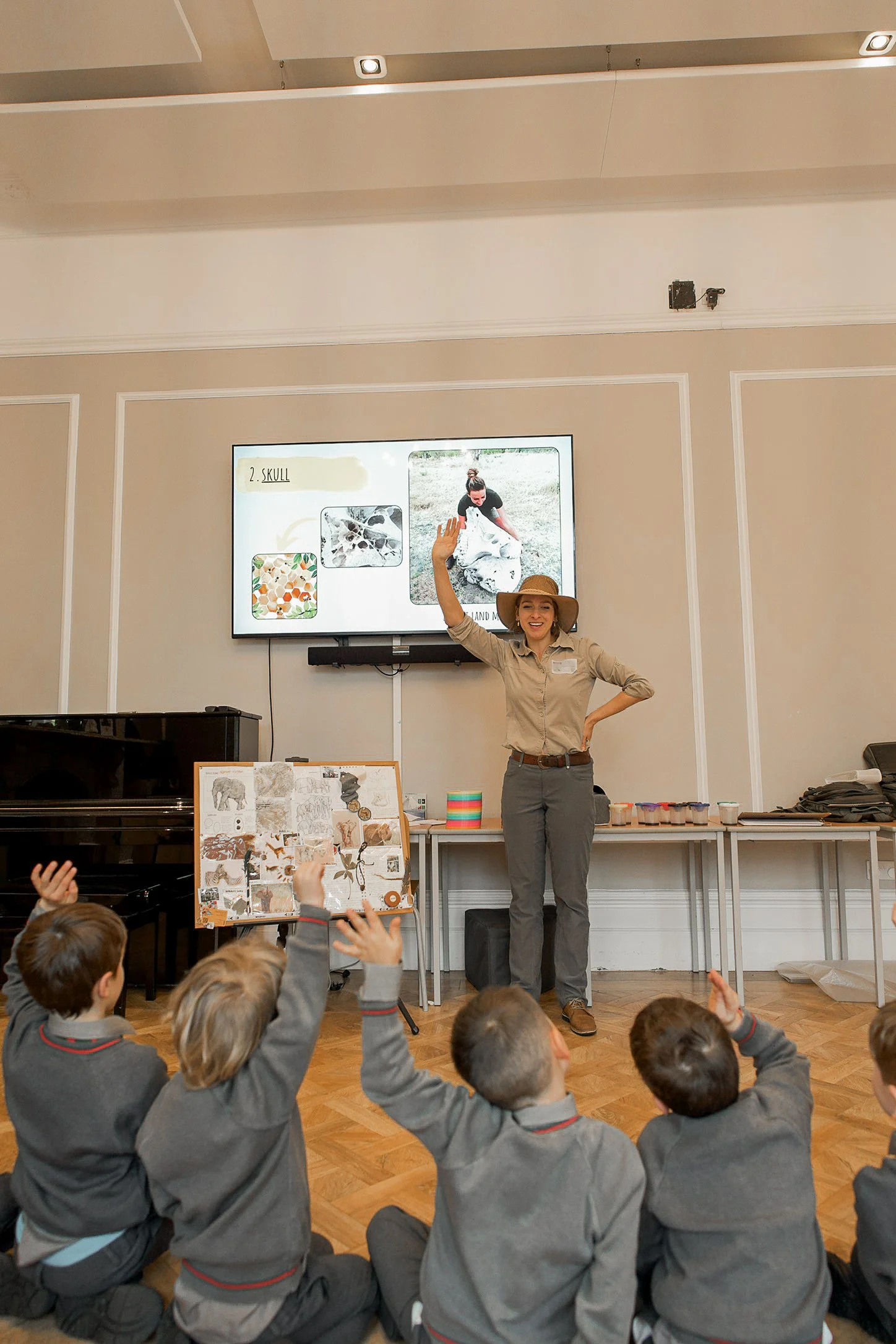
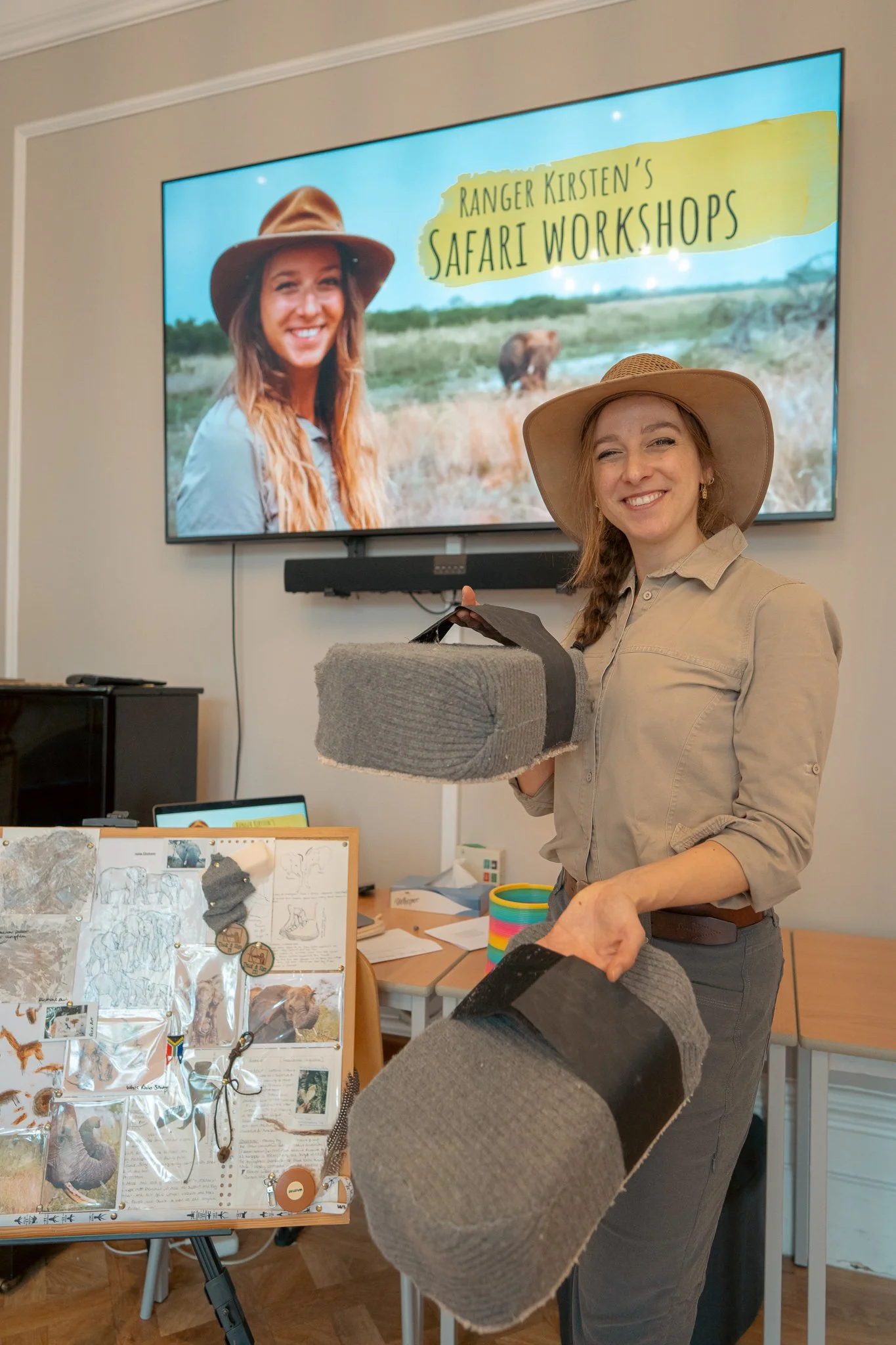
Example Workshop held at Arnold House School, London
Safari inspired workshop at Arnold House School
"The 7 Superpowers of the African Elephant"
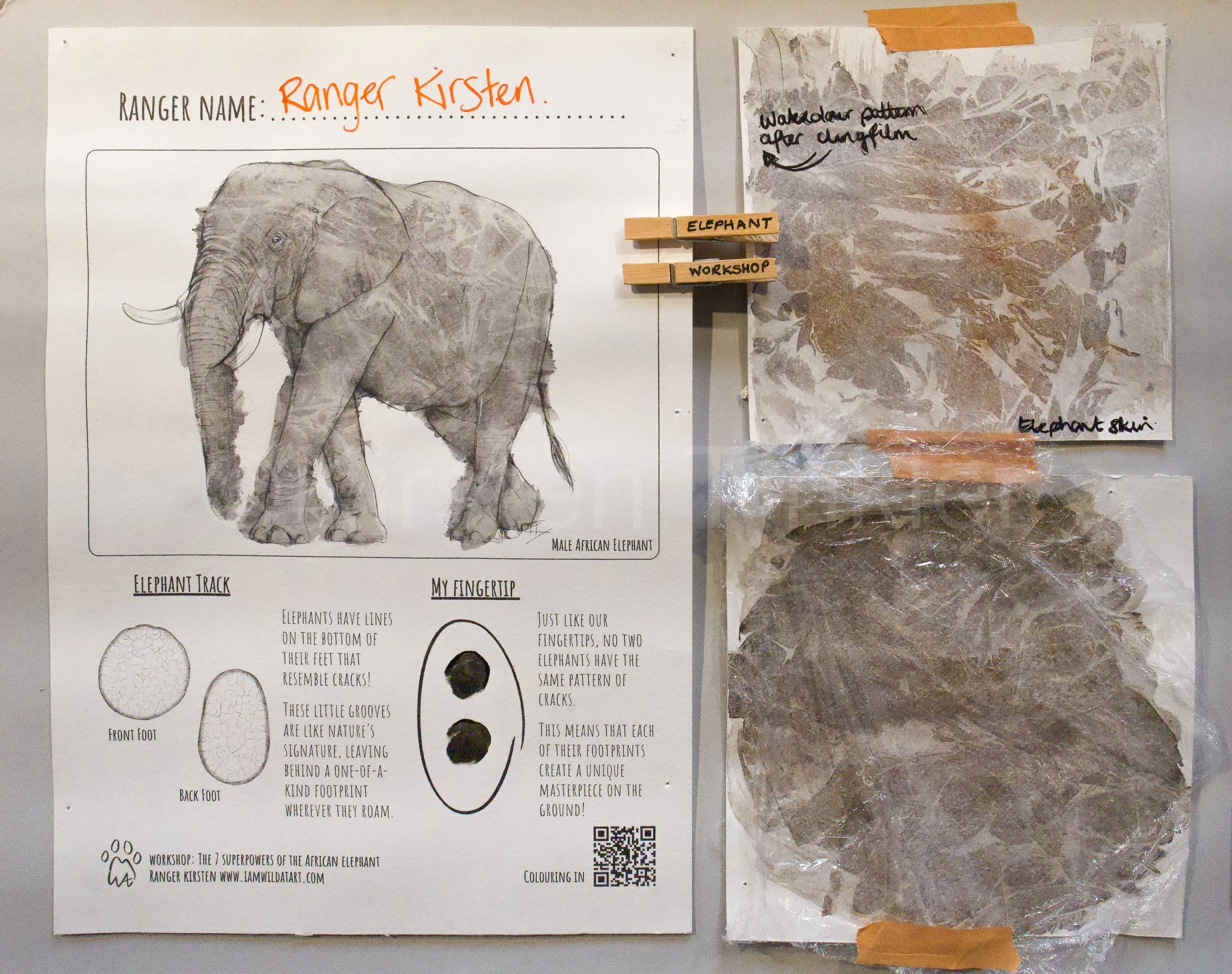
Activity sheet bringing elephant superpowers to life
Activity sheet with elephant 'skin' making
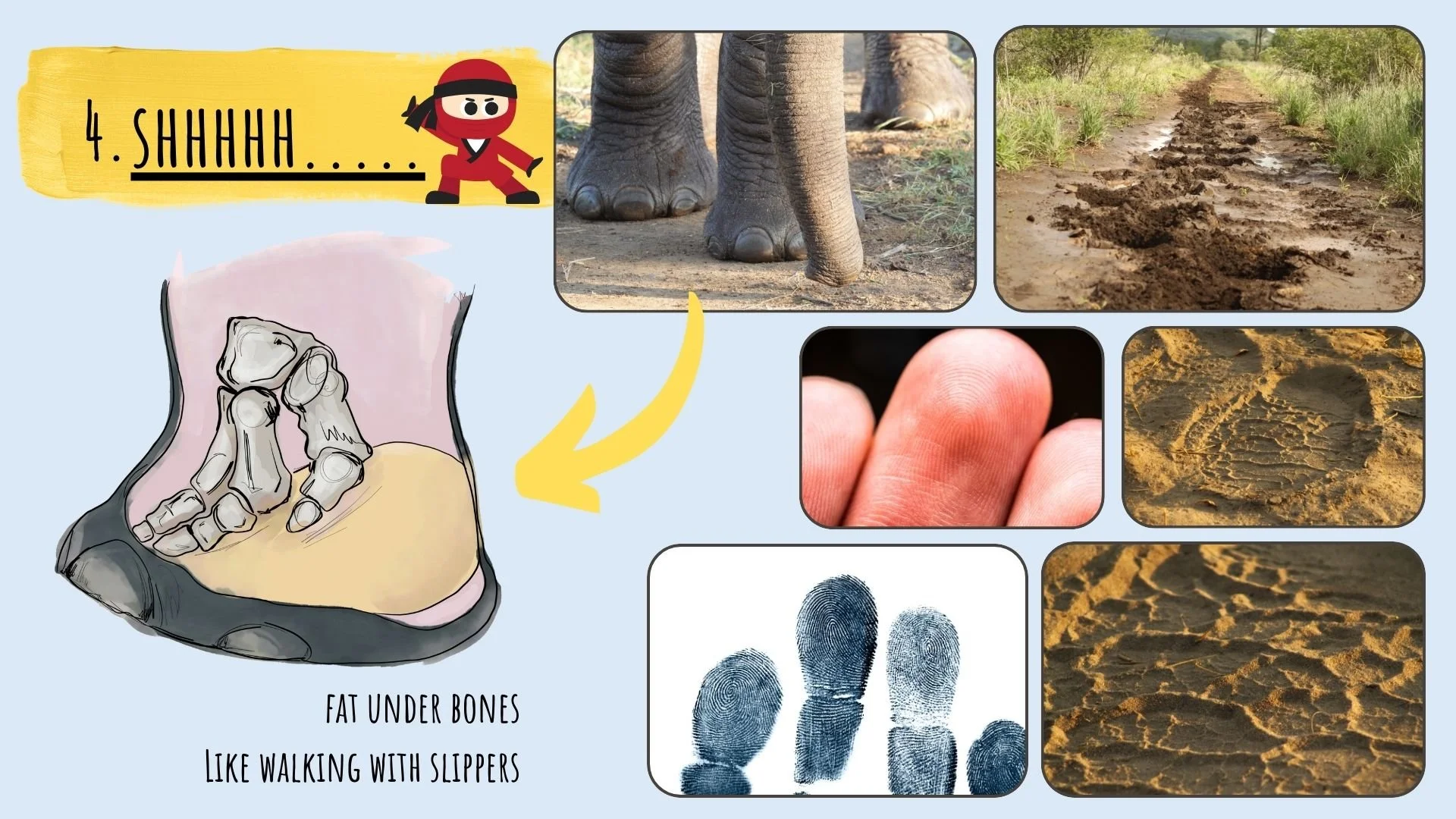
Understanding similarities with us and elephants impact on the environment
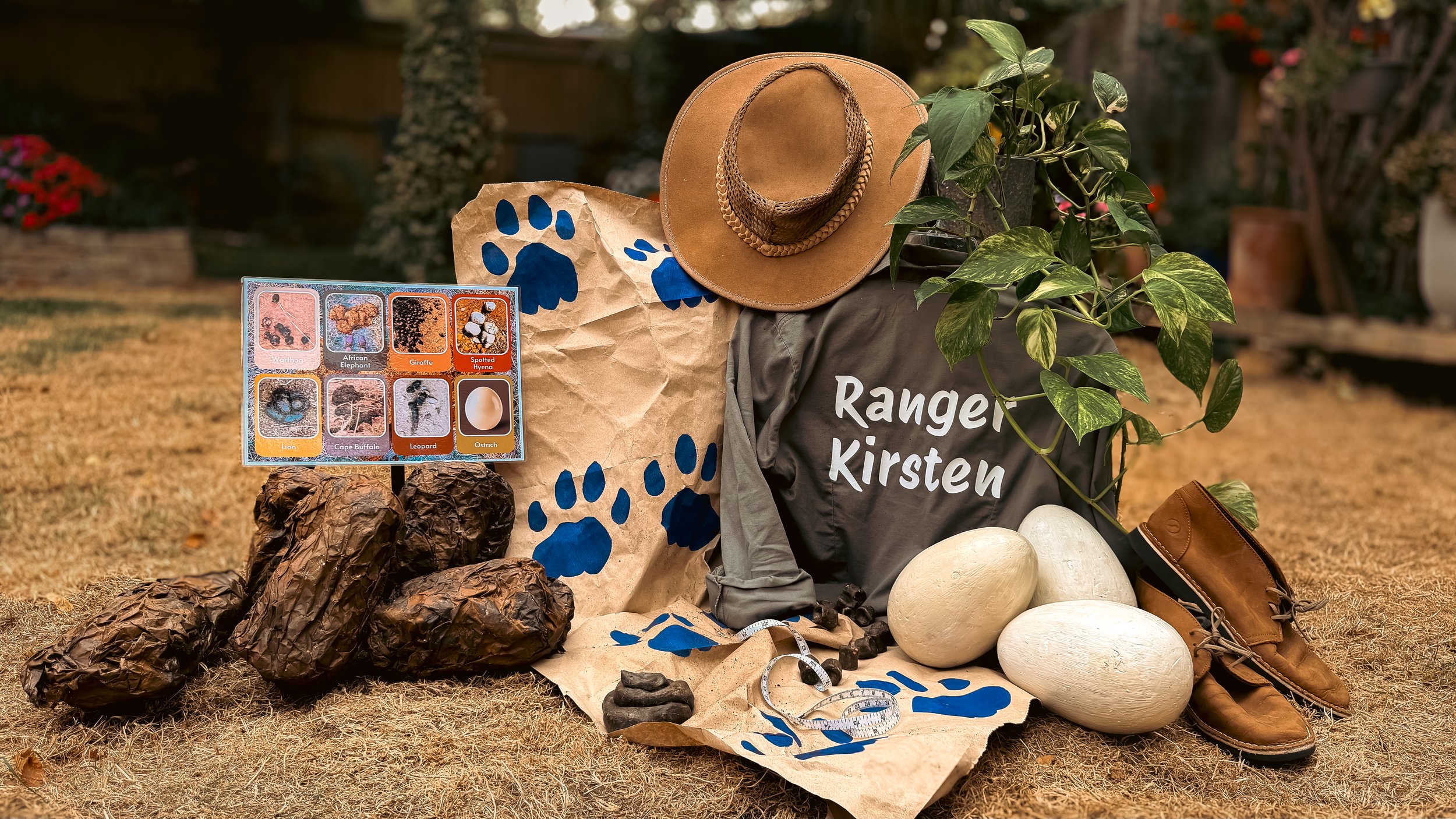
What a Typical Workshop Includes:
A short, engaging introduction to the animal or theme
Visual references and real-life context (photos, stories, videos)
Interactive activities throughout using props (e.g. elephant feet)
A completed artwork each child can take home
Sessions run for 60 minutes
Age Groups & Curriculum Links:
KS1 and KS2 (ages 5-11)
Science (animals, habitats, adaptation)
Geography (ecosystems, global wildlife)
PSHE (empathy, confidence, self-expression)
Environmental and conservation topics
Ranger Kirsten

I’m Kirsten, the founder of I Am Wild at Art and a former professional safari guide in South Africa. Communicating the magic of wildlife to diverse audiences was central to my guiding work, and today I bring that same real-world interpretation into education and engagement in the UK.
I design experiences that go beyond facts, using story, creativity, and hands-on exploration to build empathy, curiosity, and care for nature. I believe conservation begins with connection — when children feel connected to wildlife, they are more likely to value and protect it.
This means not only explaining what animals and ecosystems are, but helping learners feel their stories.
Workshop Categories
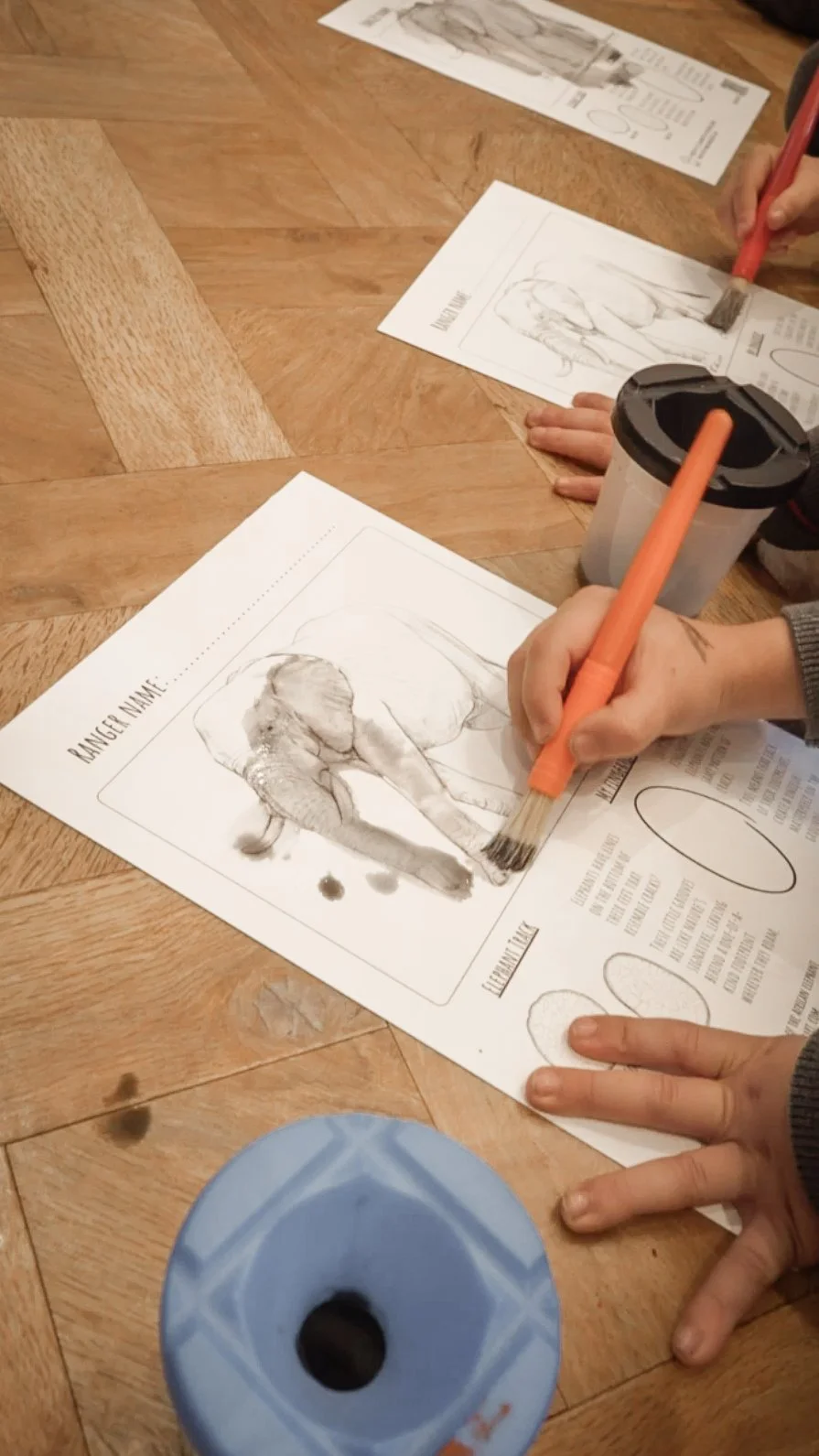
Each workshop focuses on a key animal or ranger training, as a starting point to explore animal behaviour, habitats, ecology, tracking and signs, and conservation. Sessions are very hands-on and interactive, designed to encourage curiosity, observation, and discussion.
African Predators: The Cats
Lions – 1 hour
Leopards – 1 hour
Cheetahs – 1 hour
These can be combined and extended into a half-day session, allowing pupils to compare species, hunting strategies, habitats, and conservation challenges.
The 7 Superpowers of the African Elephant
1 hour
An engaging session exploring elephant intelligence, communication, physical adaptations, and their role as ecosystem engineers.
The Small but Mighty
1 hour
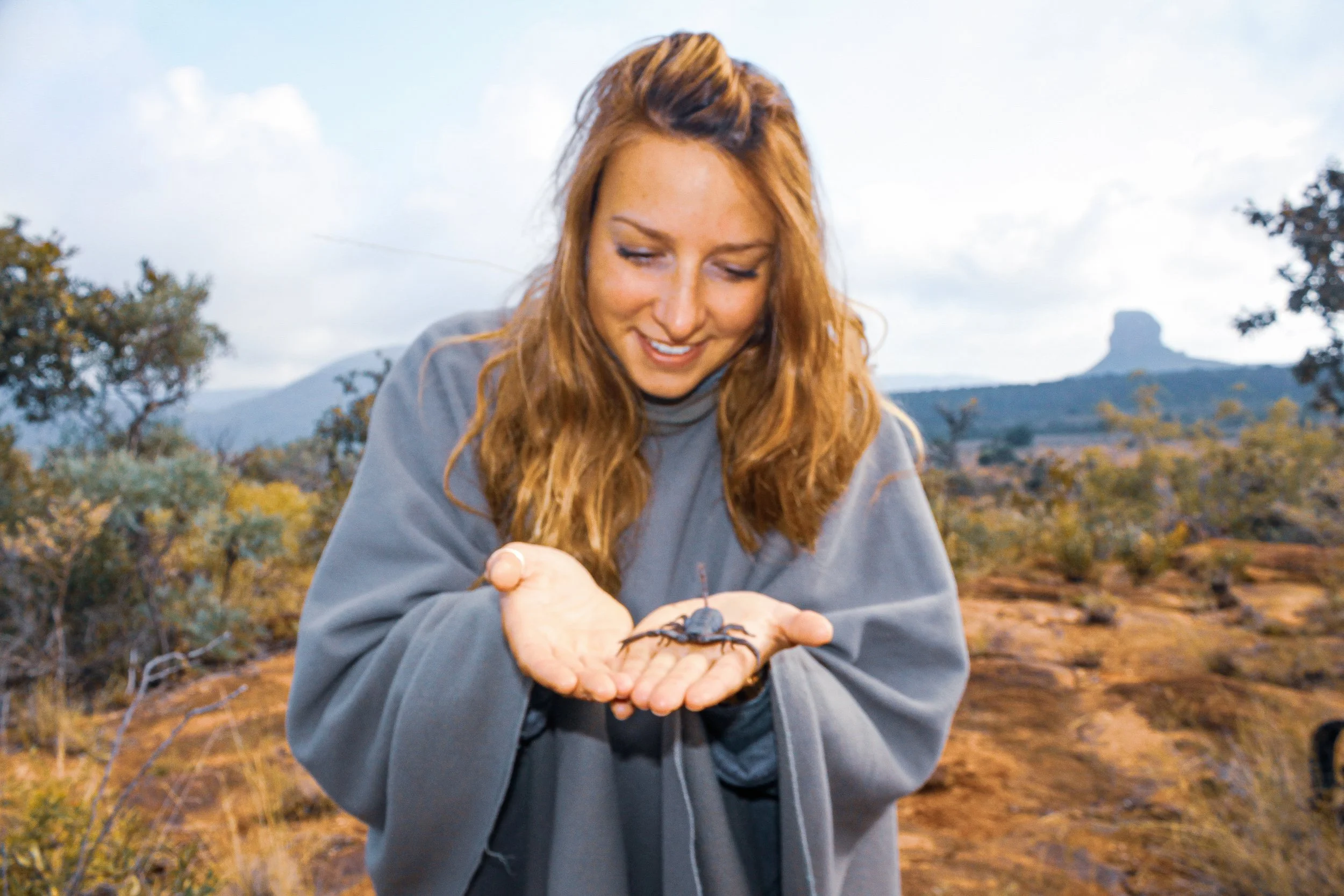
looking at the small elements of the South African savanna, such as trap-door spiders, dung beetles, insects and bugs.
Wild Dogs vs Spotted Hyena
1 hour
A comparative look at social structure, communication, competition and ecological roles.
The Black and White Rhino
1 hour
Exploring behaviour, adaptations, key differences, and conservation (taken from walking and tracking with anti poaching unit in Zimbabwe)
Learn to Track
2 hours or half day
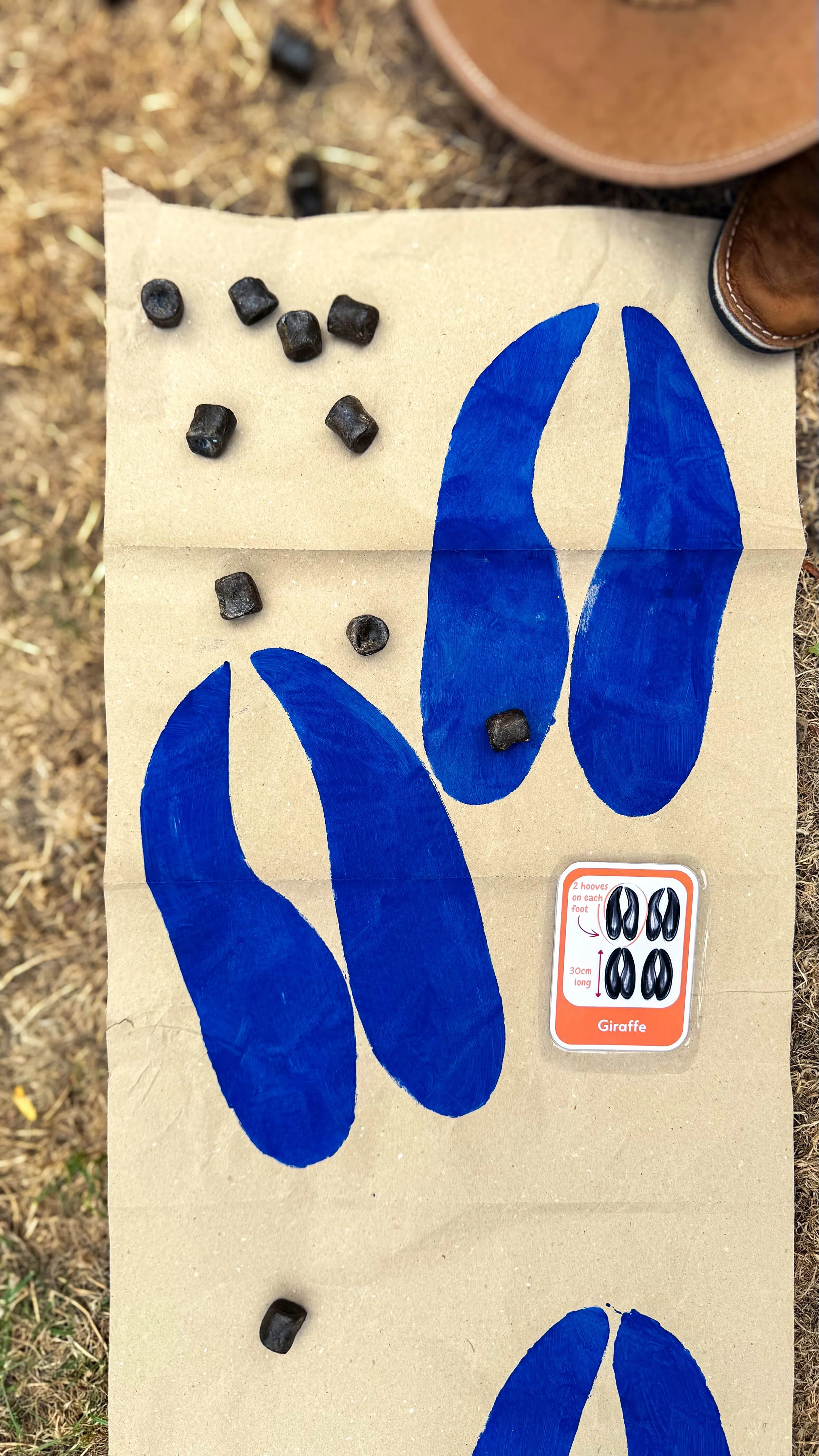
Pupils become wildlife trackers, studying replica paw prints and the clues animals leave behind. Working in teams, they use their observation skills to piece together what happened.
They’ll discover how rhinos communicate at middens, how dung beetles navigate by the stars, and how animals adapt to changing environments.
Where a suitable wooded area is available, the workshop can include an outdoor observation game.
Take Home
Every workshop includes an age-appropriate artwork to take home and a supporting worksheet. Pupils explore wildlife through mixed media, with activities tailored to their year group and curriculum topics such as habitats, conservation and geography.
Art projects can also connect with artists such as Andy Warhol. For example, pupils might combine oil pastels and watercolour resist to create bold, high-contrast animal portraits.
Book a Workshop
All workshops are delivered in-school and can be tailored as one-off visits or longer-term projects. Materials can be provided or adapted to use what schools already have, and risk assessments and enhanced DBS are available upon request.
If you’d like to discuss workshops for your school or setting, please get in touch; I’m always happy to chat through ideas and design a session that fits your students and curriculum goals.